Trusted Mold Removal in Azabu, Hiroo and Den-en-chofu | Security-Conscious, High-Quality Service for Embassy Staff and VIP Residences | Kabi Busters Tokai – Tokyo Branch
2026/09/28
Trusted Mold Removal in Azabu, Hiroo and Den-en-chofu | Security-Conscious, High-Quality Service for Embassy Staff and VIP Residences | Kabi Busters Tokai – Tokyo Branch
From signing a confidentiality agreement to treatment that protects delicate materials: mold solutions for households that value their privacy

Hello, and thank you for visiting the blog of Kabi Busters Tokai – Tokyo Branch.
In this article, we speak to residents of Tokyo's most prestigious neighborhoods, including Azabu and Hiroo in Minato Ward and Den-en-chofu in Ota Ward. We explain what we value most when removing mold from fine residences, and the special consideration these homes require.
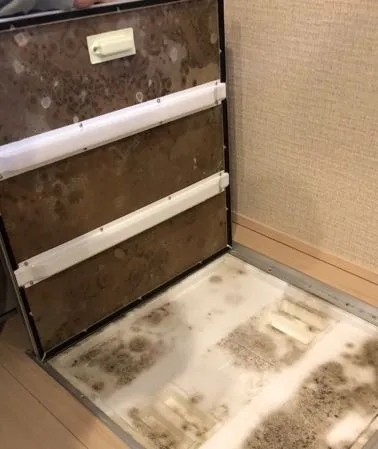
Azabu and Hiroo are home to many of Tokyo's embassies, and many embassy staff, diplomats and business executives live in the area. Den-en-chofu is a quiet residential district lined with historic homes. Residences like these often feature delicate materials such as solid wood flooring, plaster walls, imported furniture and works of art, all of which can be damaged by ordinary mold removers. Japan's hot and humid summers can also be far harsher than expected for families who have come from drier climates. Clothing in closets, wine cellars, and the walls and ceilings of studies are just a few of the places where mold can spread before anyone notices.
For VIP residences, however, there is something just as important as the quality of the work: consideration for security and privacy. Information about who enters which home, and when, is itself information that must be protected.
Kabi Busters Tokai – Tokyo Branch signs a confidentiality agreement with every client when a request is made. We never disclose any information learned through our work, including the location of your home, your family composition, the interior of your residence or the dates of our visits. Before-and-after photos are never published without your permission.
In this article, we answer frequently asked questions about why mold tends to develop in fine residences, what we prioritize in terms of security, and how our work protects your home's materials. We hope it will be helpful to embassy staff, their families and facility managers.
Kabi Busters Tokai – Tokyo Branch provides mold removal for the residences of embassy staff and other distinguished clients in Tokyo's most prestigious neighborhoods, including Azabu, Hiroo and Den-en-chofu. We sign a confidentiality agreement with every client, then identify the cause of the mold through fiberscope inspection and moisture content testing. In partnership with the Microbial Control Association, we can also identify the species of mold present and provide a written report on its level of risk. After treatment, we advise you on everyday habits that help prevent the mold from returning.
Frequently Asked Questions (Q&A)
Q1. Can I request mold removal for an embassy staff residence or an official residence?
A. Yes. We serve the private homes of embassy staff, official residences and staff rental housing throughout Tokyo, including Azabu, Hiroo and Den-en-chofu. In addition to individual clients, we also welcome inquiries from embassy general affairs and facility management staff.
Q2. Will you sign a confidentiality agreement?
A. Yes. Kabi Busters Tokai – Tokyo Branch signs a confidentiality agreement when you place a request. We never disclose any information learned through our work, including the location of your home, your name and occupation, the interior of your residence or the dates of our visits. If your embassy or company has its own agreement form, please let us know and we will discuss signing it.
Q3. Will photos of the work appear on your website or social media?
A. Never without your permission. Before-and-after photos are used only to assess the mold and to report the results of our work to you. If you prefer that no photos be taken at all, please let us know in advance.
Q4. I would prefer that my neighbors not know a mold removal company is visiting.
A. Many clients share this concern. We will ask about your preferences in advance, such as the time of the visit, where to park and the number of staff, and accommodate discreet visits as far as possible.
Q5. Is it safe to work around delicate materials such as solid wood, plaster and imported furniture?
A. Protecting your materials is our highest priority. Before starting, we inspect not only the areas where mold is present but also the condition of the surrounding materials and finishes, and propose a method suited to each one. Rather than scraping or bleaching surfaces with harsh chemicals, we aim to preserve your home and furnishings as they are.
Q6. Mold suddenly increased once Japanese summer arrived. Why?
A. Summer in Tokyo is hot and humid, making it the season when mold grows fastest. In the homes of families who have moved from drier climates in particular, air conditioning and ventilation habits may not suit the Japanese climate, allowing mold to spread in closets, on bedroom walls, around windows and in wine cellars. Along with removing the mold, we also advise on ventilation and humidity control to prevent it from returning.
Q7. Is confidentiality protected from the estimate and on-site inspection stage?
A. Yes. Your information is strictly managed from the moment you contact us. If you would like to sign a confidentiality agreement before the on-site inspection or estimate, please feel free to ask.
Q8. How much information should I provide when I first contact you?
A. For your first inquiry, it is enough to tell us the area where you live (for example, Minami-Azabu, Minato Ward), where the mold is and the approximate size of the affected area. We can also ask for your name and full address after the confidentiality agreement has been signed.
Why Mold Develops in Residences in Azabu, Hiroo and Den-en-chofu
"How can a home this fine have mold?" Many people feel exactly this way when they find mold in a residence in one of Tokyo's most prestigious neighborhoods. In fact, the very construction, materials and lifestyle that define a distinguished home can create an environment in which mold thrives.
Airtight, Well-Insulated Homes That Trap Moisture
Recently built residences and homes that have undergone major renovation are extremely airtight and well insulated. While this makes heating and cooling efficient and comfortable, it also makes it harder for moisture generated indoors to escape. Cooking, bathing, drying laundry indoors, houseplants and even breathing all add moisture to the air. When ventilation cannot keep up, moisture collects inside walls, under floors and at the back of storage spaces, and mold grows where no one can see it.
Natural Materials, Artwork and Imported Furniture
Solid wood flooring, plaster and diatomaceous earth walls, wool carpets, leather sofas, paintings, books and wine collections. Fine natural materials readily absorb moisture and can also serve as food for mold. On top of that, ordinary mold removers can discolor these materials or spoil their texture, so they cannot simply be treated with off-the-shelf products.
Families Posted from Overseas and the Japanese Climate
Many embassy staff are posted to Tokyo from countries with dry climates. Summers in Tokyo are hot and humid, and conditions ideal for mold last a long time, from the rainy season in early summer through the long autumn rains. If air conditioning and ventilation are used the same way as at home, mold can spread within a short time to clothing in closets, bedroom walls, condensation around windows and bathroom ceilings. Mold can also multiply rapidly in unventilated rooms if the residence is left empty for long periods during a posting.
The Security and Privacy That VIP Residences Require
In the homes of embassy staff and other distinguished clients, protecting information is just as important as the skill to remove mold. Who lives where, and when the home is empty. What equipment and artwork are inside. Once this kind of information leaks, it can affect the safety of your family.
We Sign a Confidentiality Agreement
Kabi Busters Tokai – Tokyo Branch signs a confidentiality agreement with every client when a request is made. We never disclose any information learned through our work, including the location of your home, your name and occupation, your family composition, the interior of your residence or the dates of our visits. If your embassy or organization has its own agreement form, please let us know and we will discuss signing it.
Handling of Photos and Records
Photos taken during inspection and treatment are used only to accurately assess the mold and to report to you. They are never published on our website, social media or in advertising without your permission. If you have any preferences regarding what may be photographed or how, please let us know in advance.
Please Discuss Your Visit Preferences with Us in Advance
Whether you are concerned about your neighbors noticing, would like to avoid certain times of day, or wish to limit who is present during the work, we will ask about your preferences before the visit. With your daily life and safety as our first priority, we carry out the work in a way that suits you.
Inspection to Identify the Cause of Mold
Removing visible mold alone does not solve the problem at its root. If the cause of the mold remains, it will reappear in the same place within a few months. At Kabi Busters Tokai – Tokyo Branch, we place great importance on inspecting to find the cause before any treatment begins.
Fiberscope Inspection
A fiberscope is an inspection tool with a small camera at the tip of a thin cable. It allows us to check the condition of places that cannot normally be seen, such as inside walls, above ceilings, under floors and behind furniture. Because we can examine the interior without major demolition of walls or floors, we can confirm how far the mold has spread and where the moisture is coming from while keeping the impact on your interiors and finishes to a minimum.
Moisture Content Testing
In moisture content testing, we use specialized meters to measure how much moisture is contained in building materials such as walls, floors and columns. Even when a surface looks dry, moisture may have accumulated inside. By identifying where readings are high, we narrow down where the moisture is coming from, whether a roof leak, a plumbing leak, condensation or insufficient ventilation.
From Identifying the Cause to Planning the Treatment
We combine the results of the fiberscope inspection and moisture content testing with the structure of your home and the way you live in it to identify the cause of the mold. We then explain the most appropriate scope and method of treatment, and begin work only once you are satisfied with the plan.
Identifying Mold Species and Reporting in Partnership with the Microbial Control Association
There are many species of mold, and each differs in its characteristics and its effects on health. Even black mold that looks the same can call for different treatment methods and precautions depending on the species.
Why Identifying the Mold Species Matters
Some molds are common causes of allergies, and some may affect your health. For households with young children, elderly family members or people with existing health conditions, knowing what kind of mold is present brings peace of mind.
We Prepare a Report on the Level of Risk
In partnership with the Microbial Control Association, Kabi Busters Tokai – Tokyo Branch can identify the species of mold in collected samples and compile a report on its level of risk. The report makes it easier to share the situation with your family, and can also be used for reporting to your embassy's facility managers or your home country, and for discussions with the property owner or management company. As an objective record, it also serves as a reference point for the future care of your home.
Workmanship That Protects Your Valued Materials
The outcome we most want to avoid in mold removal for fine homes is one where the mold is gone but the materials have been damaged.
Before treatment, Kabi Busters Tokai – Tokyo Branch carefully inspects not only the areas where mold is present but also the condition of the surrounding materials and finishes. We choose a method suited to each material, whether solid wood, plaster, wallpaper, tile or stone, and rather than scraping or harshly bleaching surfaces, we aim to treat the mold while preserving the character of the material as much as possible.
During the work, we cover and protect surrounding furniture, floors and artwork, and take care to prevent mold spores from spreading to other rooms. After treatment, we report exactly what work was carried out where, and review the results together with you.
Advice to Prevent Recurrence
What truly matters in dealing with mold is daily life after the treatment is finished. Based on the causes identified in our inspection, we propose recurrence prevention measures tailored to your home.
These include, for example, how to ventilate effectively using exhaust fans and windows, how to use air conditioners and dehumidifiers, target indoor humidity levels, how to keep air circulating in closets and storage spaces, how far to keep furniture from walls, and how to care for your home during long absences. For families posted from overseas, we also explain the characteristics of Japan's rainy season and summer climate, along with key points for living comfortably in Japan.
If the cause lies in the building itself, such as a roof leak or a plumbing fault, we explain the problem clearly and point out the areas that need repair.
How to Request Our Service
Inquiry: Please tell us the area where you live, where the mold is and the approximate size of the affected area. We can also ask for your name and full address after the confidentiality agreement has been signed.
Confidentiality agreement: We sign a confidentiality agreement before the inspection begins.
On-site inspection: We carry out fiberscope inspection and moisture content testing to confirm how far the mold has spread and what is causing it.
Mold species identification and report: Where needed, we work with the Microbial Control Association to identify the species of mold and compile a report on its level of risk.
Estimate and treatment plan: Based on the inspection results, we explain the scope, method and cost of the treatment.
Treatment: We remove the mold while protecting your materials.
Final review and recurrence prevention advice: We report on the work carried out and share points to keep in mind in your daily life going forward.
Summary
In residences in prestigious neighborhoods such as Azabu, Hiroo and Den-en-chofu, high airtightness, fine natural materials and Japan's hot and humid climate combine to create conditions in which mold readily develops. Moreover, the homes of embassy staff and other distinguished clients require not only the skill to remove mold but also a firm commitment to protecting information.
Kabi Busters Tokai – Tokyo Branch provides a complete service: signing a confidentiality agreement, identifying the cause through fiberscope inspection and moisture content testing, identifying the mold species and reporting on its level of risk in partnership with the Microbial Control Association, treatment that protects your materials, and advice to prevent recurrence.
"There is only a little visible mold, but I am worried about what is inside the walls." "For my family's health, I want to know what kind of mold this is." "I would like to consult someone discreetly." If you have concerns like these, please feel free to contact Kabi Busters Tokai – Tokyo Branch.
----------------------------------------------------------------------
カビバスターズ東海 (名古屋本社・東京支店)
本社:名古屋市中川区本前田町44
東京支店: 東京都品川区西五反田7丁目1−3 伸和五反田ビル 1階
フリーダイヤル 0120-147-215
----------------------------------------------------------------------